On a wildlife shoot, the obvious shot is always the kill. It's dramatic, it's fast, it's the thing the whole sequence is supposedly built around. But the shot that actually moves an audience is usually something else, a few moments later. A cub trying, and failing, to get sink its teeth into the carcass. The kill tells you what happened. The cub tells you what it meant.
That instinct, knowing which shot is carrying the story versus which one is just technically dramatic, isn't something you're taught in a manual. You develop it by being there, by reading the scene as it unfolds and pointing the camera at whatever's actually carrying the emotion in that moment, not whatever the textbook says should be in frame. After a decade of doing that for wildlife documentaries, reality TV, and feature films, it stopped feeling like a skill and started feeling like a way of seeing.
It's also, I've come to realise, the exact same instinct that's missing from most conservation, ecotourism, and outdoor brand marketing.
When you walk through how this space usually talks about itself, you'll find a lot of kill shots. Statistics about habitat loss. Wide drone shots of empty landscapes. Lists of species under threat. All technically accurate, all in some sense dramatic, and almost none of it lands the way the actual experience does when you're standing in it. The marketing shows you what's happening. It rarely shows you what it means to be there, which moves someone to book, to donate, to care enough to share it with someone else.
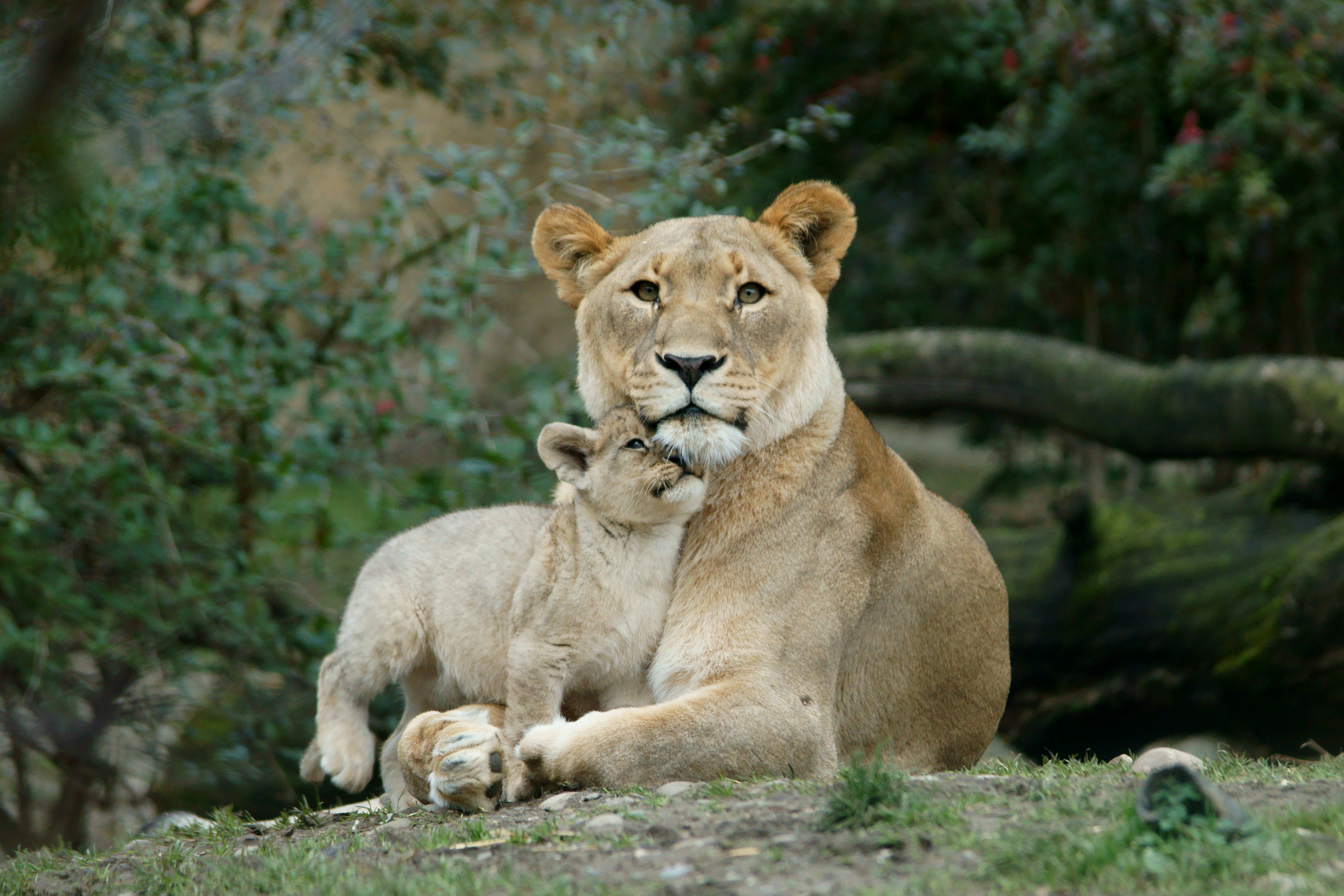
This isn't a content problem you fix by writing better captions. It's the same instinct gap as the wildlife shoot. Somebody has to be in the room, or at least have spent enough time in rooms like it, to know that the stat about declining elephant populations isn't what makes a donor commit. It's the photo of a calf leaning into its mother's side. Somebody has to know that the drone shot of an empty trail isn't what sells a hiking trip. It's the quiet, slightly awkward photo of two strangers sharing a flask of coffee at 5,800 meters.
I don't think this instinct is mystical, and I don't think it only belongs to people who've held a camera professionally. But a decade spent reading scenes for a living turns out to transfer surprisingly well into reading what a brand should actually be saying and to who.
If your brand's marketing feels technically correct but isn't landing that's usually where the gap lies. Get in touch and we can talk through it.
← Back to articles